
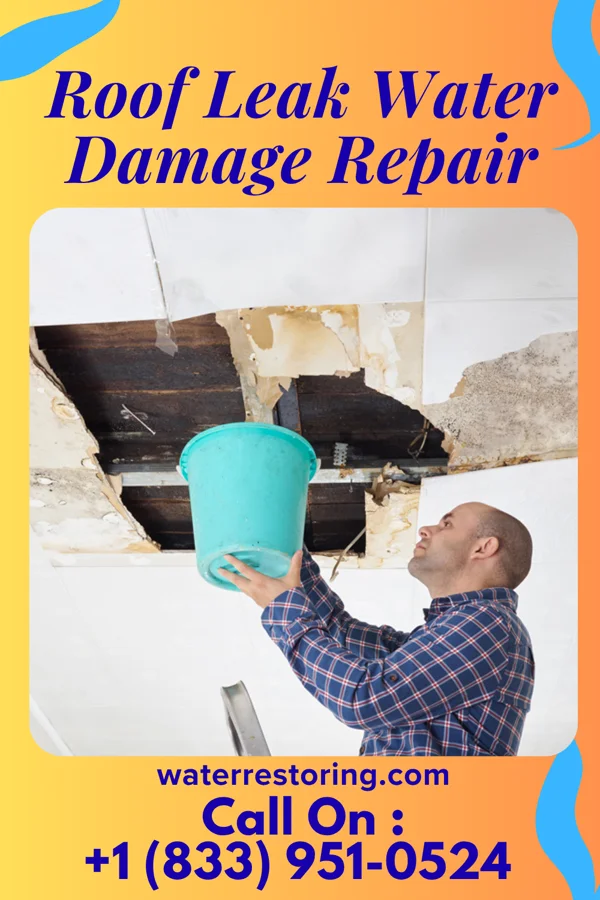
When Diller Properties Need Roof Leak Repair
Water damage in Diller usually starts with Diller, Nebraska experiences frequent thunderstorms and heavy rainfall, especially during the spring and early summer months. These weather events can lead to sudden roof leaks and water damage, particularly in older homes with less durable roofing materials. The region's unpredictable weather patterns mean that homeowners must be prepared for sudden water intrusion.. A close second is In the late fall and winter, Diller sees significant snowfall and freezing temperatures, which can cause ice dams to form on roofs. These ice dams can redirect water under shingles, leading to leaks and internal water damage. Wind storms are also common, which can damage roofing systems and create entry points for water.. Professional restoration follows the IICRC protocol on every job. Assess. Extract. Dry. Sanitize. Document.
Diller's climate, characterized by hot summers, cold winters, and frequent storms, puts local roofs at risk of various types of damage. The combination of extreme temperatures and precipitation can accelerate wear on roofing materials, leading to leaks and water infiltration.
Water damage in Diller follows a few local patterns. Diller, Nebraska experiences frequent thunderstorms and heavy rainfall, especially during the spring and early summer months. These weather events can lead to sudden roof leaks and water damage, particularly in older homes with less durable roofing materials. The region's unpredictable weather patterns mean that homeowners must be prepared for sudden water intrusion. accounts for the bulk of our calls. Diller's climate, characterized by hot summers, cold winters, and frequent storms, puts local roofs at risk of various types of damage. The combination of extreme temperatures and precipitation can accelerate wear on roofing materials, leading to leaks and water infiltration. In Diller, mold can develop within 48 hours of water intrusion, especially in damp and humid conditions. This rapid growth can lead to secondary damage, including weakened structural components and health risks for residents.
For public guidance on the health effects of mold after prolonged water exposure, see the EPA mold and health page.